
Day-1
| Section | Speaking Task | Preparation Time (Seconds) | Speaking Time (seconds) |
| Speaking Task-1 | Giving Advice | 30 | 90 |
| Speaking Task-2 | Talking about a Personal Experience | 30 | 90 |
| Speaking Task-3 | Describe a scene | 30 | 90 |
| Speaking Task-4 | Making Prediction about future | 30 | 90 |
| Speaking Task-5 | Comparing and Persuading | 60 | 90 |
| Speaking Task-6 | Dealing with a Difficult Situation | 60 | 90 |
| Speaking Task-7 | Expressing Opinion | 30 | 90 |
| Speaking Task-8 | Describing an Unusual Situation | 30 | 90 |
Speaking Test Instructions:
1.For this practice test, use a timer to ensure you complete each task within the allotted time.
2.In this test, no scores will be provided for the Speaking tasks, and your responses will not be recorded. If you’d like to save your answers, you can record them using your computer’s microphone or another recording device, such as a cell phone or digital recorder.
3.During the official test, if you don’t complete a task within the given time, the screen will automatically move to the next task, and you won’t be able to go back.
4.Aim to finish this Speaking Practice Test in about 20 minutes.
Note:
- The Speaking Test is 20 minutes.
- There are 8 tasks in the Speaking Test.
- Try your best to answer all questions.
Topic: A friend is feeling stressed about their work-life balance. What advice would you give? Instructions for the Student: You are going to give advice to a friend who is feeling stressed about their work-life balance. Imagine that your friend has been working long hours and is having difficulty managing their personal time. They feel overwhelmed and don’t know how to manage their responsibilities at work and at home. Think about the situation carefully and provide helpful advice to your friend. Be sure to explain why your suggestions would help them. Your response should be clear and detailed.
Topic: Describe a memorable trip you took recently. Instructions for the Student: In this task, you will be asked to describe a memorable trip you took recently. Think about a trip that stood out to you – it could be a vacation, a short getaway, or even a business trip. Be sure to provide details that make the experience memorable, such as the location, people involved, activities you did, and any special moments that made the trip unique. You will have 30 seconds to prepare and 1-2 minutes to respond.
Q.1 Describe some things that are happening in the picture below as well as you can. The person with whom you are speaking cannot see the picture.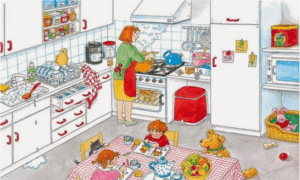
Q.1 In this picture, what do you think will most probably happen next?

Instructions
This task is made up of THREE parts:
- Choose an option
- Preparation time
- Speaking
Topic: Choosing Between Online Shopping and In-Store Shopping
Instructions:
Your friend is trying to decide whether to shop online or visit a store for their upcoming purchase. They have asked for your opinion to help them make a choice. Compare the two options and persuade your friend to choose one.
Activity Design:
- Preparation (30 seconds):
- Think about the advantages and disadvantages of both options.
- Choose the option you believe is better for your friend and organize your ideas.
- Speaking Task (60 seconds): Begin by acknowledging your friend’s dilemma and then:
1.Compare the two options (online shopping vs. in-store shopping).
2.Highlight the benefits of the option you prefer.
3.Persuade your friend to choose your recommended option.
Topic: Dealing with a Power Outage at Home During Extreme Weather
Instructions: Imagine that you are experiencing a power outage at home during extreme weather conditions. Describe how you would handle this situation and the steps you would take to resolve the challenges. You will have 60 seconds to prepare and 90 seconds to speak.
Speaking Task 7: Expressing Opinions
Topic: Is it better to spend money on personal growth or material possessions?
Instructions:
1.You will have 30 seconds to prepare your response.
2.You will then have 90 seconds to express your opinion on the topic.
Task: Answer the following question in detail:
- Do you think it is better to spend money on personal growth or material possessions? Explain your opinion with reasons and examples.
Topic: Describe a time you got lost in a new city.
Instructions: Imagine that you got lost in a new city during a trip or visit. Speak about this experience in detail. Your response should be around 90 seconds. Include the following points to structure your response:
1.Describe the situation:
1.Where were you, and why were you there?
2.What led to you getting lost?
2.Explain your feelings:
1.How did you feel at that moment (e.g., nervous, excited, scared)?
3.Describe how you solved the problem:
1.What actions did you take to find your way?
2.Did someone help you, or did you rely on something like a map or GPS?
4.Reflect on the experience:
1.What did you learn from this situation?
2.Would you approach a similar situation differently in the future?
Speaking Task 1: Giving Advice (Answer Key)
Guiding Points for Your Response:
1.Acknowledge their feelings:
1.Start by acknowledging how your friend might be feeling. Show understanding and empathy.
2.For example: “I can understand how stressful it must be for you with all the work and responsibilities piling up.”
2.Give specific advice:
1.Suggest practical steps they can take to improve their work-life balance.
2.For example: “One thing that could help is setting clear boundaries between work and personal time.”
3.Explain why your advice will help:
1.Offer reasons why your advice will make their situation better.
2.For example: “When you set specific times for work and personal activities, you can focus better and avoid feeling overwhelmed.”
4.Offer additional tips:
1.You might suggest methods such as managing time more effectively or incorporating relaxation techniques into their routine.
2.For example: “Also, try to take regular breaks and engage in activities that help you relax, like going for a walk or practicing mindfulness.”
5.Encourage your friend:
1.End with encouraging words to uplift your friend and help them stay motivated.
2.For example: “I’m sure that with a few changes, you’ll feel much more in control and balanced.”
Sample Response:
“I completely understand how you’re feeling, and it’s not easy when work and personal life start to overlap like that. First, I’d recommend setting clear boundaries between your work and personal life. For example, you can decide that once you finish work at 6 PM, you won’t check your emails or think about work until the next day. This will give your mind a break and allow you to focus on your family or hobbies in the evening.
I’d also suggest scheduling ‘me time’ in your week, like a walk in the park or a short meditation session. Taking short breaks throughout the day can really help to reduce stress and keep you energized. And remember, it’s okay to say ‘no’ to extra work if you feel it’s too much. Your well-being is really important.
I’m sure with these small changes, you’ll start to feel more in control of your time. You just need to prioritize what’s most important and take care of yourself first.”
Tips for the Student:
- Speak clearly and confidently.
- Stay focused on the topic; avoid going off on unrelated tangents.
- Provide a balanced response with both practical tips and emotional support.
- Keep your response structured, following the steps outlined above.
- Use a calm, reassuring tone to show empathy.
Speaking Task 2: Talking about a Personal Experience (Answer Key)
Guiding Points for Your Response:
1.Introduction to the Trip:
1.Start by briefly introducing where you went, when, and with whom you went.
2.For example: “One of the most memorable trips I took recently was to the beautiful city of Vancouver. I went there last summer with my family.”
2.Details About the Location:
1.Describe the place you visited. What was special or interesting about it?
2.For example: “Vancouver is known for its stunning views and beautiful parks, and we spent most of our time exploring the local beaches and the famous Stanley Park.”
3.Activities You Did:
1.Talk about what you did during the trip. Did you try any new activities, visit any particular landmarks, or enjoy some unique experiences?
2.For example: “We took a bike ride around Stanley Park and even went on a guided tour of the Vancouver Aquarium, which was incredible. We also tried kayaking for the first time.”
4.Special Memories:
1.Share any particular moments or experiences that made the trip unforgettable.
2.For example: “One of the highlights was watching the sunset by the water with my family. It was such a peaceful moment, and we just sat there talking and enjoying the view.”
5.Why It Was Memorable:
1.Explain why this trip stands out to you and what made it special.
2.For example: “What made this trip so memorable was spending quality time with my family and experiencing new activities together. It gave us a chance to relax and bond.”
Sample Response:
“One of the most memorable trips I took recently was to Vancouver with my family. We went last summer, and it was an incredible experience. Vancouver is such a beautiful city with so much to offer, from its lush parks to the sparkling ocean. We spent a lot of time outdoors, exploring Stanley Park, which is a famous attraction in the city. It’s massive, and there’s so much to do there, from biking around the park to visiting the aquarium.
One of the highlights of the trip was when we decided to try kayaking. None of us had done it before, and it was such an exciting experience paddling in the water and exploring the coastline. Another special moment was watching the sunset together at one of the beaches. We just sat there, enjoying the calmness and beauty of nature.
Overall, this trip was memorable because it allowed us to reconnect as a family. We had the opportunity to try new things and relax together, which made it truly unforgettable.”
Tips for the Student:
- Be descriptive: Use specific details about the trip to paint a vivid picture for the listener.
- Stay organized: Follow the flow of introducing the trip, describing the activities, and explaining why it was memorable.
- Use a natural tone: Speak clearly, and avoid rushing your response. Focus on giving detailed answers rather than speaking quickly.
- Include emotions: Express how you felt during the trip to make the experience more relatable and engaging.
- Practice timing: Keep your response within the 1-2 minute range while providing all the necessary details.
Speaking Task 3: Describing a Scene
(Answer Key)
Sample Response for Picture Description
“In this picture, I see a busy and lively kitchen scene. A woman is standing near the stove, cooking food. It seems like she might be preparing something special, as she’s focused on her work. On the dining table nearby, two children are sitting and drawing. They appear to be enjoying their activity, with papers and crayons spread out in front of them.
The sink behind the woman is full of utensils, suggesting a lot of cooking has already happened or is about to happen. The overall atmosphere looks hectic but warm, like a typical family kitchen on a busy day.
There’s also a pet in the scene, possibly a dog, standing close to the table. The dog seems curious and happy, perhaps watching the children draw. On the floor, I notice a bone and a ball, which are likely the dog’s toys.
The kitchen is bustling with activity, and despite the chaos, it seems like a moment full of life and connection among family members.”
Key Points for a Strong Response:
1.Describe the Setting: Mention the kitchen and what’s happening there.
2.Focus on Actions: Talk about what the woman, children, and pet are doing.
3.Include Details: Highlight objects like the utensils, toys, or drawings.
4.Add an Inference: Suggest why the scene is significant, such as the woman cooking something special or the family spending quality time together.
5.Use Adjectives: Words like “busy,” “lively,” “hectic,” or “warm” enhance the description.
Speaking Task 4: Making Predictions
(Answer Key)
Sample Response for Picture Description: Predicting What Will Happen Next
“In this picture, I see a very busy area that seems to be in the central part of a city. There are people walking around, many carrying shopping bags and some with their children. It looks like a typical morning or afternoon when people are heading to their offices or running errands.
A garbage truck is parked on the road near a manhole, and workers are collecting garbage. To manage the situation, they’ve placed a detour sign on the road. However, the area already appears quite congested, with vehicles and pedestrians trying to navigate the busy streets. In the center of the area, there is a large statue of a horse, which could be a landmark for this city.
Based on what’s happening, I think the detour will create more traffic problems. Drivers might become frustrated as they try to figure out alternative routes. Some pedestrians may also need to change their paths, which could lead to confusion or even minor conflicts. The congestion might slow everyone down, and people in a hurry to get to work or appointments might feel annoyed.
On the brighter side, once the garbage is collected and the truck moves, the situation should improve. The detour sign will likely be removed, and traffic will flow more smoothly. It’s a temporary inconvenience, but it will help keep the area clean and organized in the long run.”
Key Points for a Strong Response:
1.Describe the Current Scene: Highlight key elements like the busy streets, garbage truck, and people.
2.Identify the Problem: Mention the detour sign and its potential impact on traffic and pedestrians.
3.Predict the Consequences: Discuss how the situation might unfold, both in the short and long term.
4.End on a Positive Note: Suggest how things will improve after the issue is resolved.
This response ensures clarity, logical reasoning, and a well-rounded perspective, which are essential for CELPIP speaking tasks.
Speaking Task 5: Comparing and Persuading (Answer Key)
Sample Response:
*“I understand you’re torn between shopping online and going to a store, and both have their advantages. Shopping online is super convenient—you can browse products from the comfort of your home, and it’s often easier to find discounts or compare prices. However, it can be tricky because you can’t see or try the item before buying it, and sometimes delivery takes time.
On the other hand, shopping in-store lets you see and feel the product, which is especially helpful for clothing or electronics. You can also get the item immediately without waiting. But it takes more time and effort to go to the store, especially if it’s crowded.
I think online shopping would be the better choice for you. You mentioned you’re busy this week, and buying online would save you time. Plus, most websites offer free returns if something doesn’t work out. Why not give it a try? It’s so hassle-free!”*
Tips for the Student:
1.Be Clear and Organized: Structure your response to include a comparison and then persuade your friend.
2.Use Connecting Words: Words like “however,” “on the other hand,” and “therefore” will help your response flow logically.
3.Be Persuasive: Show enthusiasm for the option you support and provide specific examples to make your case.
Self-Reflection Questions:
1.Did you clearly compare the two options?
2.Were your reasons convincing?
3.Did you use a variety of vocabulary and connecting phrases?
Speaking Task 6: Dealing with a Difficult Situation (Answer Key)
Guidelines for Response:
1.Introduction: Briefly explain the situation (e.g., power outage during a snowstorm, heatwave, or thunderstorm).
2.Main Steps to Address the Problem:
1.Immediate actions (e.g., finding alternate light sources, ensuring safety).
2.How you would keep yourself and your family safe (e.g., staying warm, food safety).
3.Communicating with local authorities or utility services.
3.Additional Measures:
1.Checking on neighbors or the elderly in your community.
2.Making alternative plans (e.g., using a generator, relocating temporarily).
4.Conclusion: Summarize how these steps would help you handle the situation efficiently.
Sample Response:
*”During a severe snowstorm last winter, we experienced a power outage that lasted for hours. The first thing I did was locate our emergency kit, which includes flashlights, extra batteries, and candles. I made sure everyone in my family was safe and warm by gathering them in a single room with blankets. To stay updated, I used a battery-powered radio to listen to weather reports and outage updates.
I also called the local power company to report the issue and find out when the power might be restored. To conserve heat and food, we avoided opening the refrigerator and sealed off unused rooms to retain warmth. I checked on our elderly neighbors to ensure they were safe and had enough supplies.
These actions not only kept us safe but also helped us stay calm and focused. I believe being prepared and staying connected with others is crucial in such situations.”*
Follow-Up Questions for Practice:
1.How would you prepare for such emergencies in advance?
2.What challenges do you think would arise if the power outage lasted longer?
3.How would you help children or elderly people during such a situation?
4.What would you do if you needed medical assistance during the outage?
5.Do you think communities should have more resources to handle power outages? Why or why not?
Evaluation Criteria:
- Clarity and coherence of your response.
- Use of appropriate vocabulary and sentence structure.
- Ability to organize ideas logically.
- Demonstration of empathy and problem-solving skills.
This activity helps you prepare for realistic scenarios, encouraging clear, organized, and empathetic responses.
Speaking Task 7: Expressing Opinions (Answer Key)
Prompts to Guide Your Answer:
- What are the benefits of investing in personal growth?
- How can material possessions improve one’s life?
- What provides long-term value: personal growth or material things?
- Do you have a personal experience related to this?
Sample Response:
Here is an example of how a student might structure their response:
Opening:
I strongly believe that spending money on personal growth is much more beneficial than spending it on material possessions. While material items can bring temporary happiness, investing in personal growth provides long-term value and fulfillment.
Body:
First of all, personal growth activities, like learning a new skill, taking a course, or traveling to experience different cultures, can improve a person’s life significantly. For example, I once took a public speaking course, and it not only boosted my confidence but also helped me grow in my career.
On the other hand, material possessions, such as a new car or expensive clothes, may bring happiness initially, but the satisfaction often fades over time. They don’t contribute to a person’s development or make them better equipped to handle challenges in life.
Moreover, personal growth can lead to meaningful achievements that positively impact one’s life and relationships. For instance, someone who invests in learning a foreign language may unlock better job opportunities and connect with people from different cultures.
Conclusion:
In conclusion, while material possessions are nice to have, they can’t compare to the long-term benefits of personal growth. Investing in ourselves brings lasting happiness and opens doors to new opportunities.
Assessment Criteria for the Activity:
1.Clarity of Opinion: Did the speaker clearly state their preference and reasons?
2.Use of Examples: Were examples relevant and illustrative?
3.Organization: Was the response structured logically (opening, body, conclusion)?
4.Vocabulary: Was appropriate language used to convey ideas?
5.Fluency: Was the response delivered smoothly, with minimal pauses?
This activity encourages you to think critically about priorities and articulate your reasoning clearly while practicing fluency and coherence.
Speaking Task 8: Describing an Unusual Situation (Answer key)
Sample Response:
“Last summer, I visited Tokyo for the first time. On my second day, I decided to explore the city on my own. I took the subway to visit a famous shrine, but I got off at the wrong station and ended up in an unfamiliar neighborhood. Since I don’t speak Japanese fluently, I felt nervous and overwhelmed by the signs I couldn’t read.
At first, I tried to use a paper map I had picked up at the airport, but I couldn’t figure out my exact location. Then, I asked a local shopkeeper for help, using simple English and hand gestures. To my surprise, the shopkeeper was very kind and even walked me part of the way to the nearest subway station.
This experience taught me the importance of staying calm and seeking help when I need it. I also realized how friendly and helpful people can be. Next time, I’ll make sure to download a reliable offline map app before exploring a new city.”
Evaluation Criteria:
1.Clarity and fluency of speech.
2.Use of details to describe the situation.
3.Logical organization of thoughts.
4.Appropriate vocabulary and grammar.